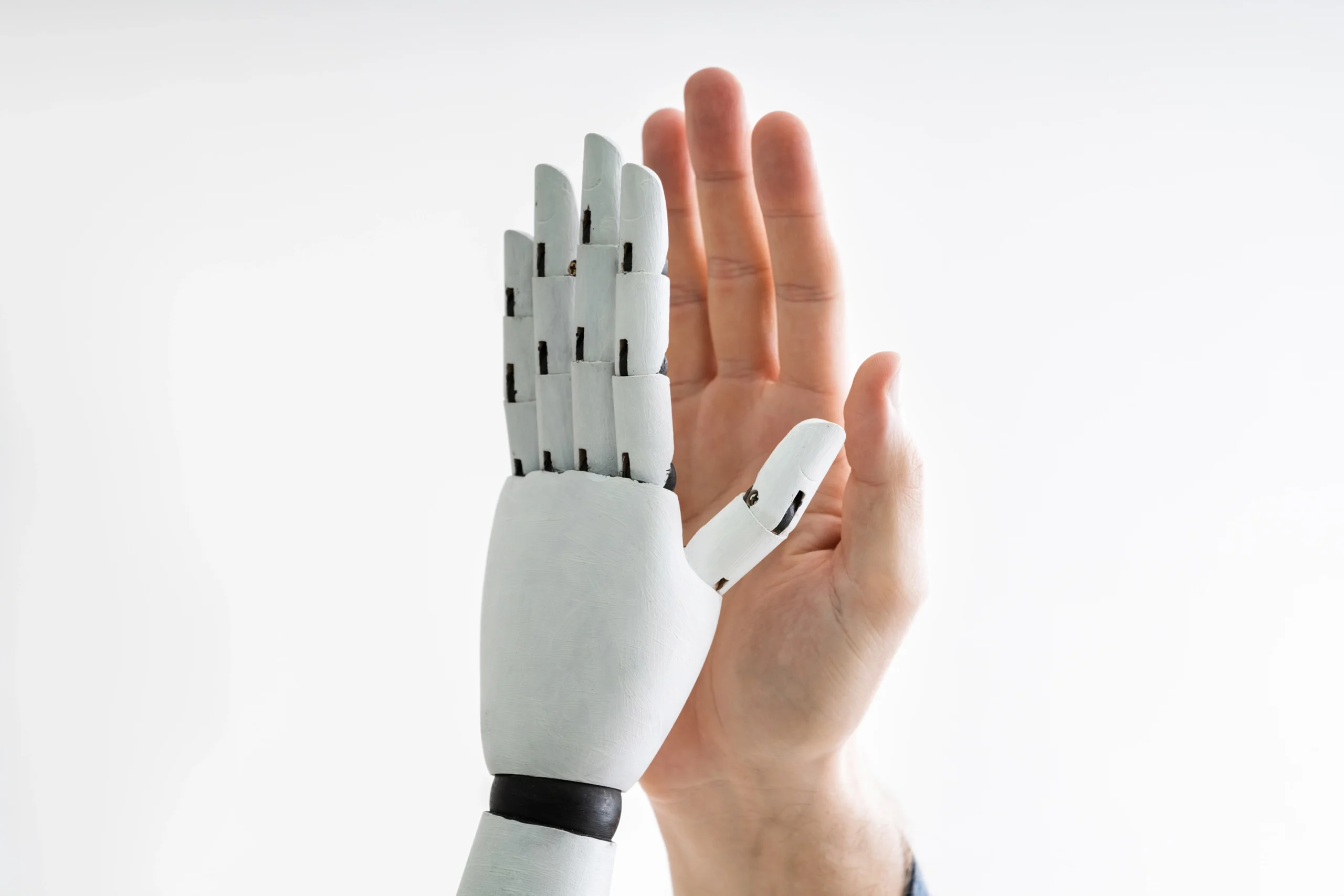
AI is moving fast. It’s helping businesses write quicker, analyse better, and automate the repetitive jobs that used to eat up whole afternoons.
But when a customer needs reassurance, clarity, or a straight answer, they still want a person.
That’s the bit a lot of businesses are quietly losing.
Not because they don’t care, but because the systems behind the scenes make it harder than it should be to stay personal, present, and human.
Modern business telecoms is one of the simplest ways to protect that human connection. Not by adding noise. By removing friction, your team can remain communicating like real people.
What “Modern Telecoms” Actually Looks Like Today
For years, “telecoms” meant desk phones, tangled handsets, and a system you tried not to touch once it was installed.
Modern telecoms is different. It’s built for how teams work now.
It’s cloud-based, flexible, and designed to follow your people rather than anchor them to one spot. Your phone system becomes a shared, connected platform that works across devices and locations.
That matters because customers don’t experience your internal setup. They experience outcomes:
- Do you answer?
- Do you sound informed?
- Do you follow up?
- Do you make it easy to speak to the right person?
Modern telecoms help you deliver those outcomes consistently, even when things are busy.
Human Communication Gets Easier WheN Tools Stop Getting In The Way
The most “human” customer experiences are often the most practical ones.
A customer rings. Someone answers quickly. The conversation is clear. The person on the other end knows what’s going on. The customer doesn’t have to repeat themselves. They feel looked after.
That’s not magic. It’s a system that removes the everyday blockers.
Be reachable, wherever work happens
Device flexibility means your team can access the phone system from mobile, tablet, laptop, or a desk phone. So if someone is working from home, on-site, or moving between meetings, the customer experience still feels consistent.
For roles that live on the move, business mobiles keep people connected with enterprise-grade features like secure data packages, remote management, and priority network access. The result is simple: faster responses and fewer “I’ll call you back when I’m at my desk” moments.
And for teams that work across a site, cordless DECT phones give staff the freedom to move around while staying available, with strong audio and secure connections. Customers get a quicker, smoother interaction because calls don’t need to bounce around the building.
Keep conversations clear and uninterrupted
Connectivity is part of communication.
Fast, reliable business WiFi keeps calls, video, and collaboration tools stable. It’s the difference between a calm conversation and a frustrating one.
Full premises coverage goes a step further. It makes sure signal and connectivity are consistent across the whole building, including the awkward spots like stairwells, basements, and outbuildings. Less dropping out. Less repeating yourself. More trust.
Responsiveness is a Human Signal (and it’s one you can design for)
Customers don’t just judge what you say. They judge how quickly you show up.
When a call goes unanswered, it rarely feels neutral. It feels like being ignored.
Modern telecoms gives you tools to stay responsive, even when your team is stretched.
Make sure nothing slips through the cracks
Missed call tracking logs every call that goes unanswered and makes it visible. That means you can follow up quickly, protect leads, and avoid letting a genuine customer inquiry disappear into the void.
Voicemail-to-email converts voicemail messages into text and sends them to the recipient’s inbox, often with the audio attached. This makes it far easier to action messages quickly, especially when people are away from their phone or deep in work. Customers feel that speed.
On-hold messaging replaces silence with helpful, branded messages that set expectations and reassure callers their time matters. Even a small improvement here changes how waiting feels.
Stay up when things go wrong
Downtime doesn’t just interrupt operations. It interrupts relationships.
4G backup acts as a fallback if the main broadband connection fails, automatically switching to a 4G network to keep things running. For customers, it means they can still reach you when it matters most.
That’s not a “nice to have”. It’s a reliability promise.
Personal Service at Scale, Without Sounding Scripted
As businesses grow, it’s easy for communication to become more transactional.
More calls. More tickets. More “can you just” requests. More pressure.
The answer is not to replace people with automation and hope it feels the same. The answer is to give people better context, better visibility, and better consistency.
Start conversations with context, not questions
CRM integration links your phone system to your CRM, pulling up customer details when a call comes in, making it easy to log the interaction. It reduces the need for customers to repeat themselves and helps your team sound calm, informed, and genuinely helpful from the first hello.
That is a human experience. Not because it’s emotional, but because it respects the customer’s time.
Improve quality without policing people
Call recording helps with training, consistency, dispute resolution, and compliance. More importantly, it lets you coach using real conversations instead of generic scripts. That’s how service gets better without losing personality.
A real-time live call analytics dashboard gives managers visibility of what’s happening in the moment: call volumes, call durations, and performance indicators. It helps teams spot spikes, balance workloads, and prevent long queues that create a cold customer experience.
Used well, it doesn’t turn people into numbers. It protects the service people are trying to deliver.
The Part Most Businesses Underestimate…
Even the best features mean nothing if your system isn’t built around how your team actually works.
A tailored setup is exactly that: choosing the right devices, configuring the system properly, and aligning the tools with real workflows. It reduces headaches, lowers risk, and makes the whole experience feel effortless for both staff and customers.
And as your business changes, your comms setup shouldn’t become the bottleneck.
Scalable system solutions are designed to grow with you, adding staff, sites, and capabilities without a full replacement. Customers don’t see the complexity behind that, but they do feel the consistency.
Finally, there’s support. Because when communication breaks, everything breaks.
24/7 in-house customer support means real people who know your systems are available around the clock, not an outsourced queue and a long wait. When issues are resolved quickly, your customer experience stays intact.
A Quick Gut-Check for Business Owners
If any of these feel familiar, your customers are probably feeling it too:
- Missed calls are common during busy periods
- Customers repeat themselves more than they should
- Calls drop or audio quality suffers around the building
- Remote and on-site staff feel disconnected
- Broadband issues create total downtime when they hit
These are solvable problems. And solving them is not about becoming more “high tech”. It’s about becoming easier to reach.
Conclusion: AI Can Speed Things Up. Humans Still Build Trust.
AI will keep accelerating. That’s a given.
But customers will keep choosing businesses that feel responsive, clear, and human. Businesses that communicate well when things are simple, and even better when things are not.
Modern telecoms is one of the most practical ways to protect that. It gives your team the flexibility to be present, the tools to stay responsive, and the reliability to keep serving customers consistently.
If you want to see what modern telecoms could look like in your business, speak to our team. We’ll help you design a setup that fits how your team works, and keeps your customer conversations human.